



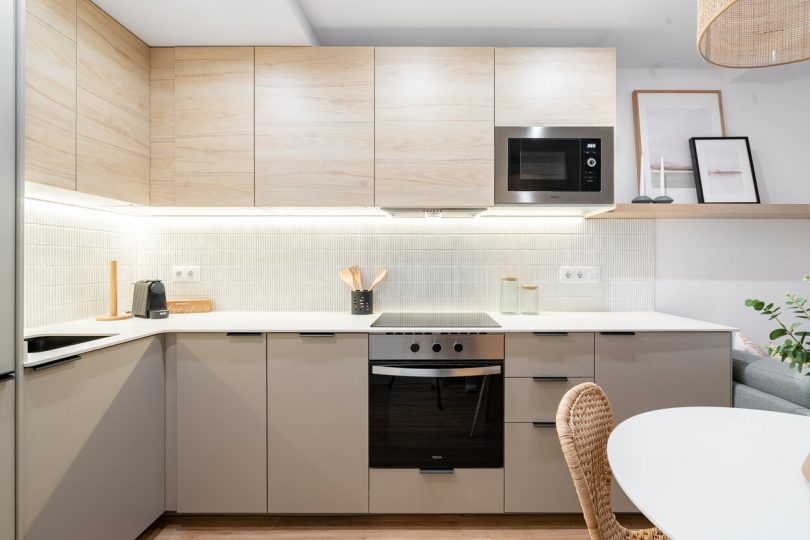

The kitchen is one of the most frequently used rooms in a home and, as a result, one of the areas most likely to show signs of wear and tear. Cupboard doors are opened and closed constantly, appliances accumulate hours of use, and surfaces are exposed to moisture, heat and stains. Over time, these elements may lose functionality or no longer meet the property’s needs.
However, a kitchen does not have to be completely worn out to require attention. Sometimes, a few isolated defects or an impractical layout are already signs that improvements should be considered. For landlords, the key is knowing when to update the kitchen in a rental property and how extensive the work should be.
A complete renovation is not always necessary. In some cases, replacing an appliance, repairing cupboard mechanisms or updating specific finishes may be enough. In others, widespread deterioration may justify a more extensive upgrade. The important thing is to identify the space’s actual needs and avoid investments that do not deliver a meaningful improvement.

Tabla de contenidos
Cupboards and fittings are starting to fail
Kitchen cabinets are subject to frequent use. Doors, hinges, drawers and opening mechanisms can deteriorate over time, particularly when the materials or fittings are not sufficiently durable.
A door that does not close properly, a drawer that gets stuck or a hinge that occasionally comes loose does not necessarily justify replacing the entire kitchen. Often, a repair or the replacement of a specific component is enough to restore functionality.
The situation becomes more serious when problems keep recurring, several units are damaged or the cabinets have lost their stability. If individual repairs no longer provide a lasting solution, it may be time to consider replacing some or all of the kitchen furniture.
The condition of kitchen cabinets should not be assessed solely on appearance, but also on safety, storage capacity and ease of use.
Appliances are breaking down or becoming less efficient
The refrigerator, oven, hob, dishwasher and extractor hood are essential to the kitchen’s everyday operation. When one of these appliances starts to fail, it is worth considering whether a repair will be sufficient or whether replacement is a more sensible option.
Age alone is not a reason to replace an appliance. If it works properly, causes no recurring problems and still performs adequately, it may remain useful for several more years. However, repeated breakdowns, difficulty finding spare parts or high energy consumption may justify replacing it.
It is also important to consider the cumulative cost of repairs. If an appliance requires frequent interventions and there is little certainty that it will continue working reliably, replacing it may be more cost-effective than continuing to repair it.
In this respect, updating appliances when they no longer meet the property’s needs can help reduce maintenance issues and make property management easier. There is no need to choose the most sophisticated models available; reliability, functionality and ease of maintenance should take priority.
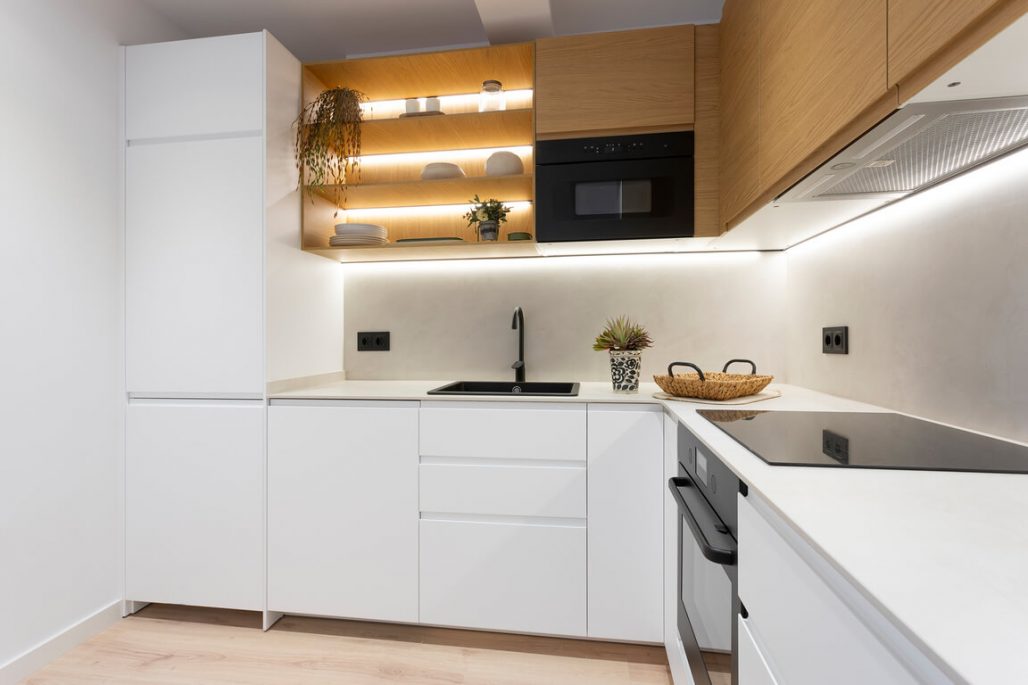
The layout makes everyday use difficult
A kitchen can be in relatively good condition and still be impractical. A layout that restricts movement, insufficient worktop space or a lack of storage can limit its functionality.
Before planning a renovation, it is worth assessing how the space is used and which features cause the most inconvenience. Sometimes, reorganising cupboards, adding storage solutions or making a small adjustment to the layout can significantly improve usability without requiring major building work.
If the limitations are structural or affect several aspects of the kitchen, a more extensive redesign may be worth considering. In that case, the technical possibilities, existing installations and available budget should all be assessed.
A functional kitchen does not necessarily require more floor space; it depends on making effective use of the space available.
Worktops and finishes are showing visible signs of wear
Worktops, splashbacks, walls and flooring are exposed to water, heat, cleaning products and continuous use. As a result, they may develop scratches, damaged joints, broken tiles or stains that are difficult to remove.
Not all these defects require replacement. A specialist clean, repairing a joint or renewing a specific component may be enough to restore an acceptable condition. However, if a material is badly deteriorated, allows water to seep through or makes cleaning difficult, more extensive work may be necessary.
Particular attention should be paid to damp problems and leaks around the sink or appliances. Before replacing finishes, it is essential to identify and resolve the source of the problem. Otherwise, the same issue may reappear after the renovation.
Updating finishes should be based on maintenance, functionality and hygiene considerations, rather than appearance alone.
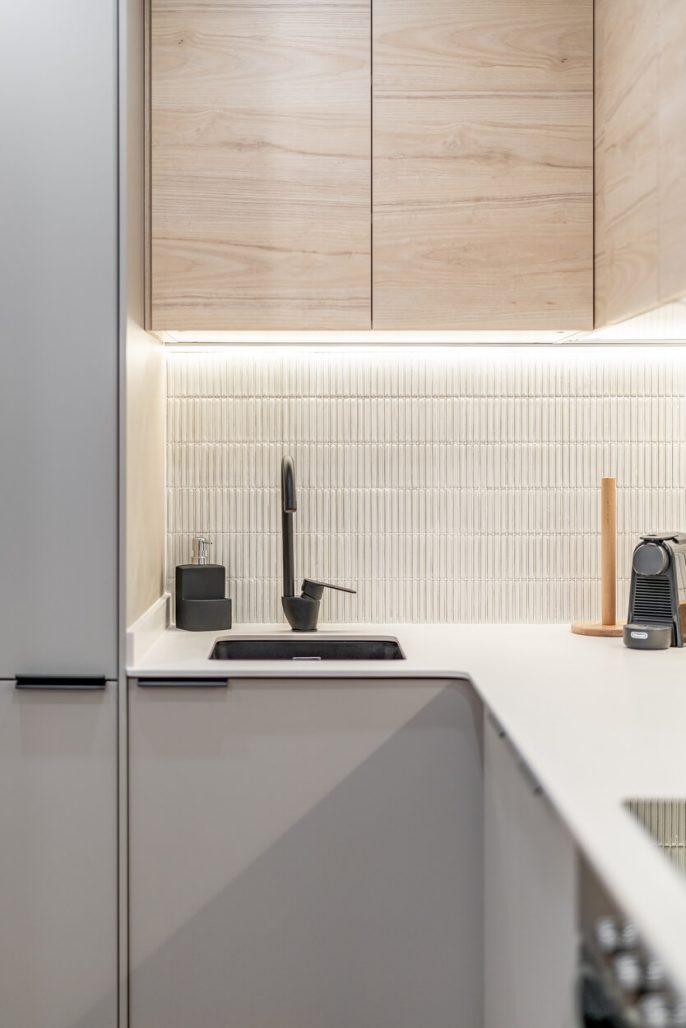
When is a partial update enough, and when is a full renovation worthwhile?
One of the most important decisions is determining the scope of the work. If the cabinets are in good condition but the appliances are outdated, there may be no need to replace the entire kitchen. Similarly, if the problem is limited to the worktop or a few fittings, addressing those specific elements may be sufficient.
By contrast, a kitchen with several deteriorated components, outdated installations or layout problems may require a more extensive renovation. In these cases, it is worth comparing the cost of separate improvements with that of carrying out a more comprehensive upgrade.
The remaining useful life of the elements that would be kept should also be considered. Carrying out a partial renovation now, only to replace much of the kitchen a short time later, could result in higher costs and more disruption than planning a broader intervention from the outset.
For this reason, before deciding whether to repair, update or renovate, it is important to assess the kitchen as a whole and identify which elements can still be used reliably.
Assessing the investment and choosing the right time
Updating a kitchen represents an investment that should be tailored to the property’s characteristics, its current condition and the landlord’s objectives. High-end materials or sophisticated appliances are not always necessary. In a rental property, durability, ease of cleaning and straightforward maintenance are particularly important considerations.
Before starting work, it is advisable to obtain several quotations, compare materials and proposed solutions, and allow for unexpected costs. It is also worth considering whether the work can be scheduled between tenancies or whether certain repairs need to be carried out sooner. A kitchen renovation can affect the normal use of the property, so careful planning is essential.
Finally, landlords should not assume that an updated kitchen will automatically justify a higher rent. Improvements may enhance the property’s condition, functionality and appeal, but their financial impact will depend on the property’s characteristics and market conditions.
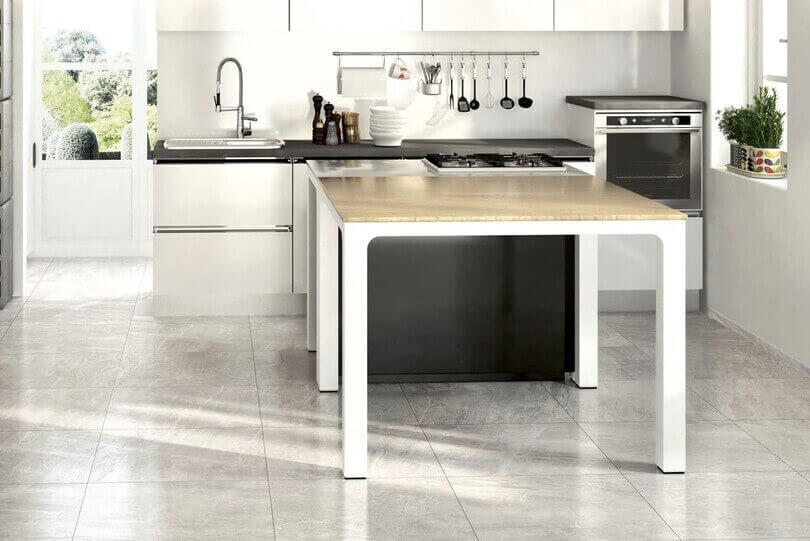
A well-maintained kitchen does not always need a complete renovation
The kitchen plays an important role in the upkeep and functionality of a rental property, but that does not mean it needs to be completely renovated whenever signs of wear appear. Identifying problems early, distinguishing between repairs and replacements, and assessing the overall condition of the space all help landlords make better decisions.
Updating a kitchen should address a specific need and deliver a genuine improvement to the property, rather than simply reflecting a desire to modernise its appearance. A well-planned intervention can extend the useful life of its components, reduce maintenance issues and keep the space practical and in good condition.
ShBarcelona, your trusted estate agent
If you want to improve your property’s efficiency without compromising its appeal and maximise its performance, ShBarcelona can help you identify the best solutions for your situation. Shall we discuss it?










Leave a Comment