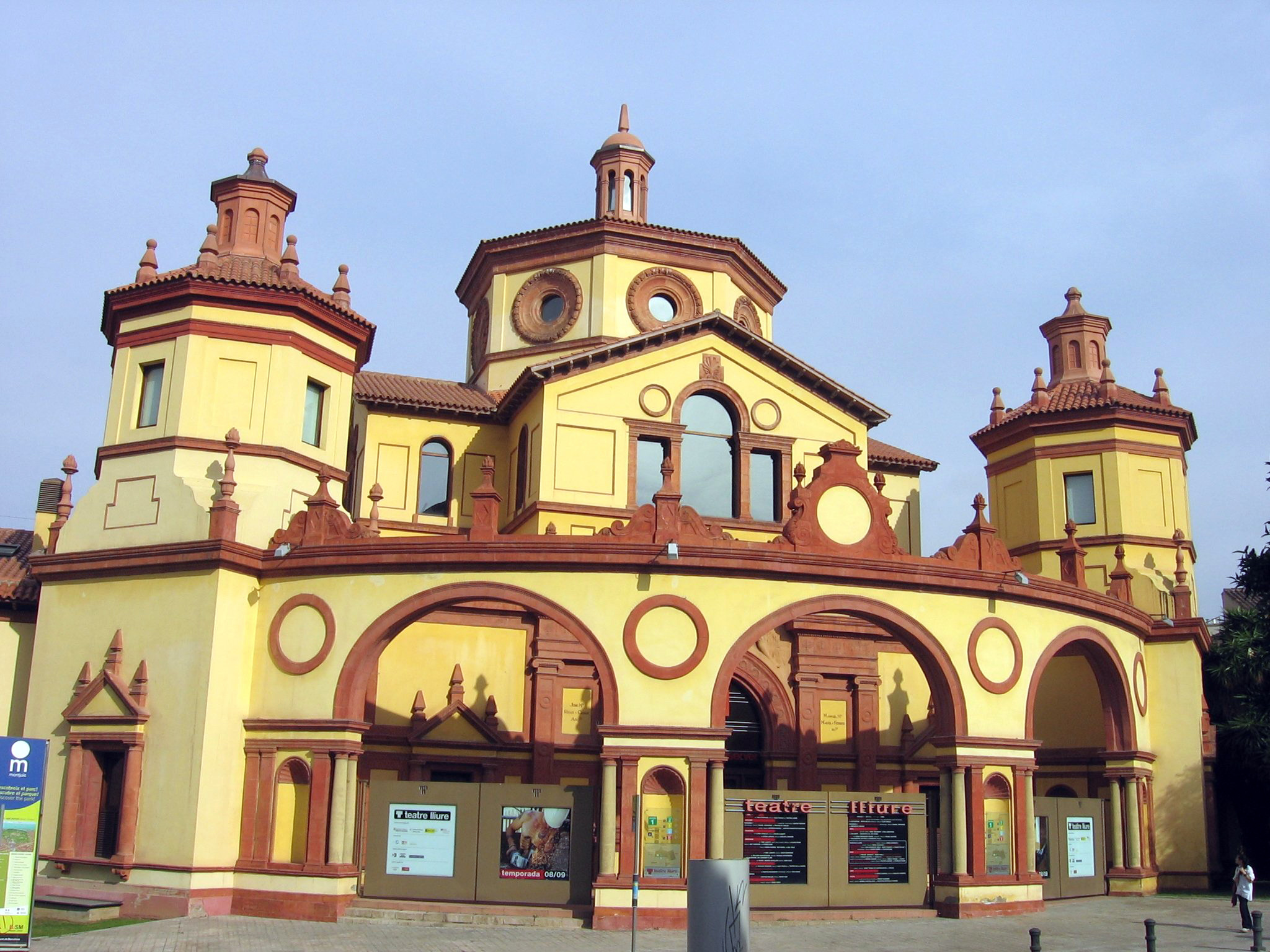
The building Mercat de les Flors (the Market of the Flowers) occupies today was originally created for 1929’s Barcelona International Exposition, the second world fair to be held in Barcelona.
Later, the palace was home to the central market flower, which since has moved to Mecabarna. The flowers left but the name remained, and when a new theatre opened in Barcelona in 1985, it was opened as “Mercat de les Flors”.
In 1990 Mercat de les Flors expanded with the creation of a new room, Sala Ovidi Montllor, which was later replaced by Institut de Teatre.
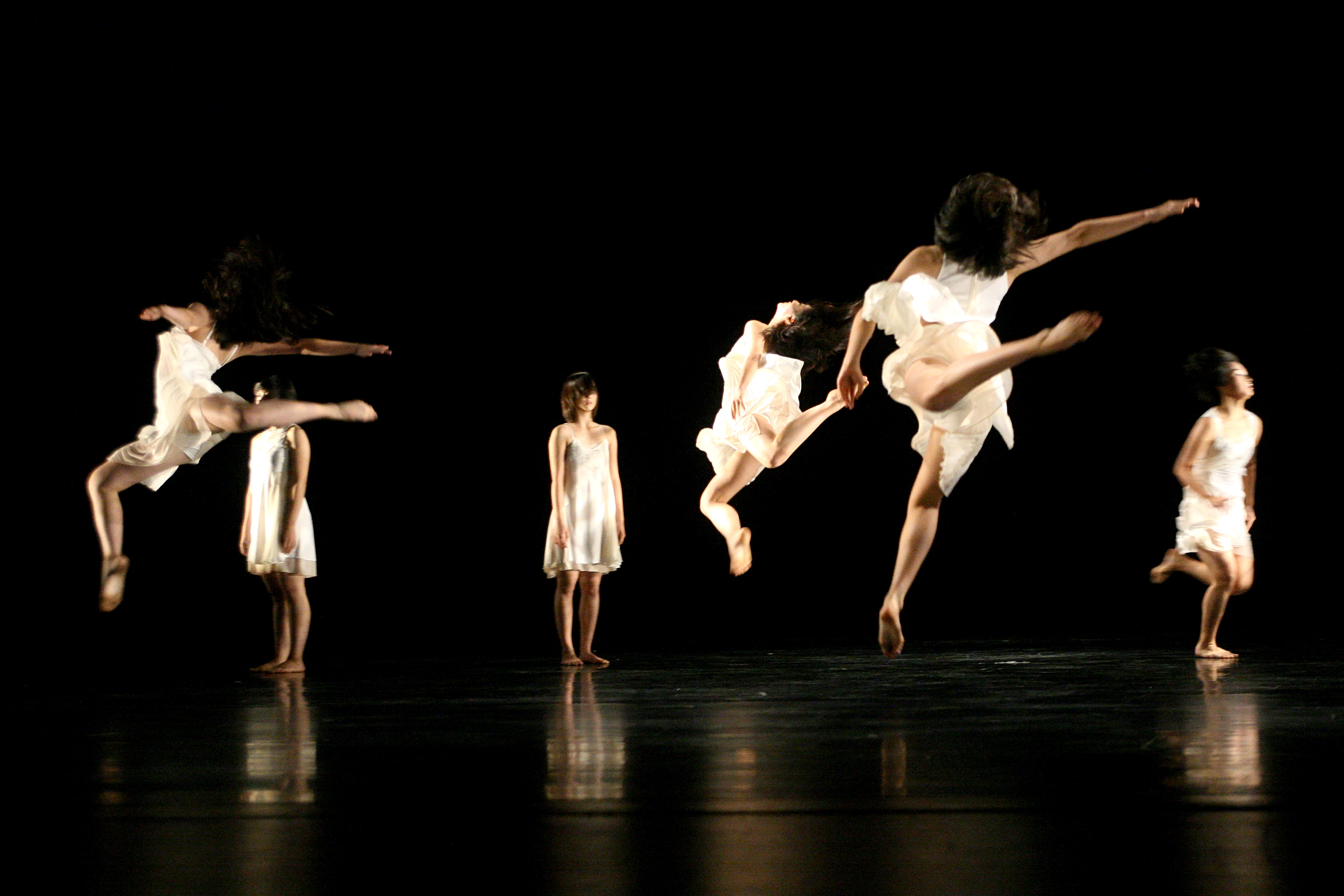
Today, the space is known as Mercat de les Flors Casa de la Dansa (Dance House), a respected municipal theater that presents a variety of dance shows.
Besides its regular programming, Mercat de les Flors Casa de la Dansa also hosts the Sâlmon Festival, an international creation, dance and movement event that takes place in the Fall. The festival receives a variety of national and international artists like Jefta van Dinther, Aimar Pérez Galí, Núria Guiu, Albert Quesada and Tânia Carvalho.
The goal of the Sâlmon Festival is to showcase talent, artists with fresh ideas, new proposals and works of dance that sometimes go against the current.
If you want to know more about the Sâlmon Festival, visit Modul Dance’s official website.
The best way to the Mercat de les Flors Casa de la Dansa using public transportation is by taking the green line of the subway (L3), exiting at the stop called Poble-Sec, or the red line (L1) and exiting at Plaza Espanya.
If you prefer to use the bus, you can try numbers 19, 13, 27, 30, 37, 50, 55, 57, 109, 157. The one that stops closest the theatre is number 55. If you have to go to the theatre or come back at night, you can use buses N0, N1, N2, N13, N15, or N53.
Getting locked out or dealing with a broken key can happen to anyone — and…
Barcelona’s Mediterranean climate, with increasingly warmer and longer summers, makes air conditioning an essential feature…
Maybe you're thinking about selling a property or you've just inherited one or more real…
Do you enjoy strolling among trees and plants, away from the hustle and bustle of…
If you are planning to move to Barcelona for a few months or permanently, one…
ShBarcelona establishes itself as the leading agency within the Apialia Eixample Group, reaffirming its position…