




Autumn is a good time to review the condition of a rental property and anticipate the needs that may arise as temperatures drop and rainfall increases. After the warmer months, it is worth checking that the installations are working properly, that windows and doors provide adequate insulation, and that the property is ready to maintain comfortable living conditions throughout the coming months.
For landlords, these checks also provide an opportunity to plan property maintenance, prevent minor issues from developing into more expensive repairs, and preserve the property’s appeal in the rental market. A complete renovation is not necessarily required. In many cases, a systematic inspection and a few targeted improvements are enough to prepare the property for the new season.

Unsplash
Tabla de contenidos
Check the heating system before the cold weather arrives
One of the first things to inspect is the heating system. It is better to identify any problems before the period of heaviest use, when a breakdown can cause greater inconvenience for tenants and may be more difficult to resolve quickly.
If the property has radiators, check that they are working properly and that there are no leaks. In water-based systems, bleeding the radiators may also be necessary to remove trapped air and help distribute heat evenly. For electric heating and other systems, check that everything operates correctly and follow the manufacturer’s maintenance instructions.
It is also worth checking the thermostat and temperature controls. A system that allows occupants to adjust the heating properly can improve comfort and help avoid unnecessary energy consumption. If the property has a boiler or another system requiring periodic servicing, make sure maintenance has been carried out in accordance with the relevant technical guidance and applicable regulations.
Inspect windows, doors and potential water leaks
As autumn arrives, windows and doors become particularly important. Damaged or poorly sealed frames can allow cold air to enter, cause heat loss and reduce indoor comfort.
Check the condition of seals, gaskets and locking mechanisms. If there are draughts, windows are difficult to close or there are visible signs of wear, consider repairing or replacing the affected components. It is also worth checking that shutters operate correctly and that no parts are loose or damaged.
Autumn rainfall makes it especially important to look for possible water ingress. Check for damp patches on ceilings and walls, inspect areas around windows and pay attention to surfaces most exposed to rain. If there are signs of water penetration, identify the source before simply repairing the visible damage.
ShBarcelona
Prevent damp and improve ventilation
Damp is one of the issues worth monitoring during the colder months. Reduced ventilation, temperature differences and everyday activities can encourage condensation, particularly around windows, in corners and in areas with limited airflow.
To help prevent this, check that ventilation systems are working properly and that air outlets are not blocked. It is also worth inspecting kitchen and bathroom extractor fans, where fitted, and making sure they can remove moisture effectively.
In addition, check taps, pipe connections and drains for leaks. A small water leak can go unnoticed for some time and eventually cause damp or damage to materials. If mould or a persistent musty smell is detected, investigate the underlying cause and address it properly rather than simply cleaning the visible signs.
Inspect plumbing and drainage
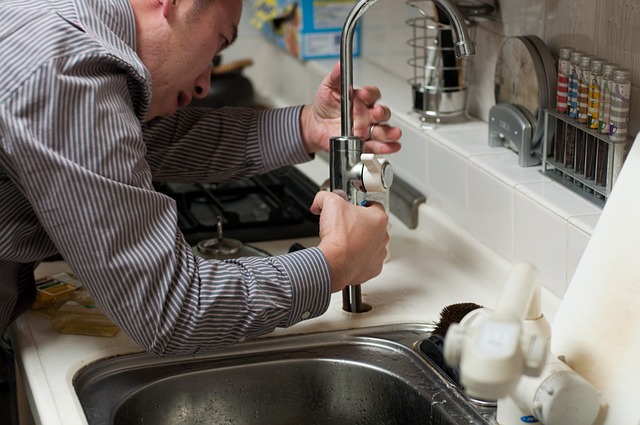
Autumn is also a good time to check the condition of the property’s plumbing. Inspect taps, toilet cisterns, traps and visible connections for drips, leaks or signs of corrosion.
Drains deserve particular attention. A build-up of debris can cause blockages and unpleasant smells, so check that water drains properly in the kitchen, bathrooms and laundry areas.
If the property has a terrace, balcony or patio, inspect the drains and drainage outlets as well. Leaves and other debris can obstruct rainwater drainage and cause water to collect. Keeping these areas clear helps prevent problems when rainfall becomes more frequent.
Check appliances and lighting
Before the months with fewer daylight hours, make sure the appliances included in the rental are working properly. The washing machine, fridge, oven and other equipment should all be in suitable working order. This is also a good opportunity to clean filters where necessary and check for unusual noises, vibrations or irregular operation.
Lighting also affects how comfortable a property feels. Inspect light fittings, replace blown bulbs and check that switches and sockets are working correctly. If a room becomes particularly dark during autumn and winter, consider whether an additional light source would be useful, provided it is compatible with the existing electrical installation.
These improvements do not necessarily require a significant investment, but they help keep the property functional and ready for everyday use.
Schedule repairs before they become urgent
An autumn inspection is also an opportunity to organise outstanding maintenance tasks. Not every issue has the same level of urgency or requires immediate attention. It is therefore useful to distinguish between repairs affecting safety or the operation of essential systems, problems that could lead to progressive deterioration, and improvements that simply help update the property.
Issues involving water ingress, damp, heating or electrical installations should take priority. Other cosmetic improvements can usually be scheduled more flexibly, depending on the property’s overall condition, the available budget and rental market requirements.
It is also advisable to keep a record of inspections and repairs. This information makes it easier to monitor maintenance, identify recurring problems and plan future investment more effectively.
Prepare the property to protect its value
Preparing a rental property for autumn does not mean carrying out major renovations every year. It means taking a preventive approach. Checking the heating, inspecting windows and doors, preventing damp and ensuring that installations are working correctly can help avoid problems and preserve the property’s condition.
For landlords, anticipating these needs also makes rental management easier and demonstrates that the property is being properly maintained. A functional, comfortable and well-kept home remains more attractive to prospective tenants and helps protect the investment over the long term.
ShBarcelona, your trusted estate agent
If you want to prepare your property for the autumn and winter months, ShBarcelona can help you identify the most appropriate improvements based on the characteristics of the property and its rental requirements. Shall we look at it together?










Leave a Comment